
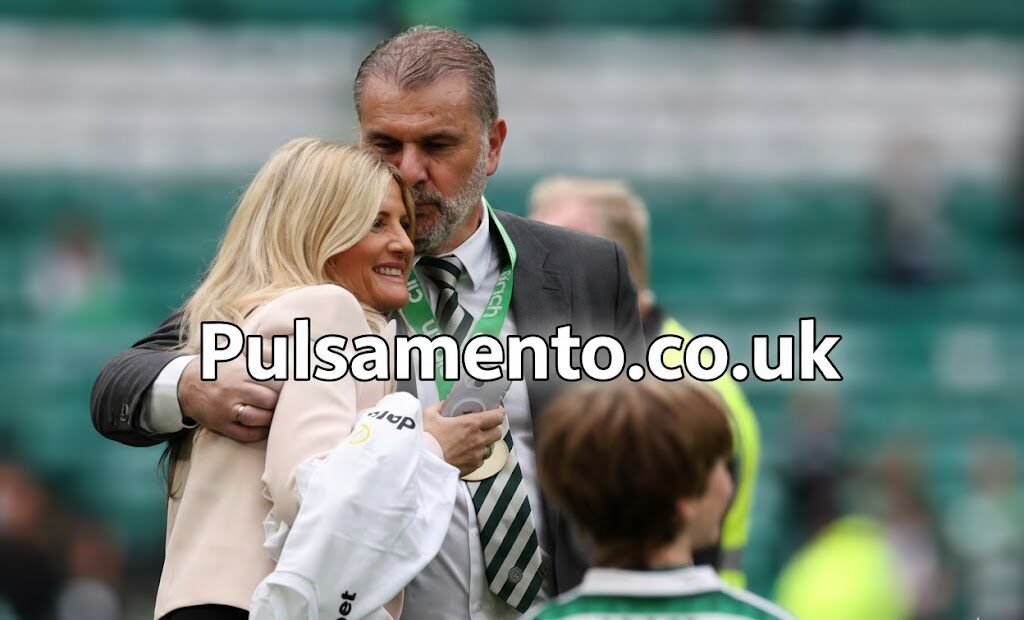

Who is Georgia Postecoglou?
Georgia Postecoglou, a distinguished figure in the world of football management, has garnered significant attention for his innovative coaching techniques and notable success. Born on August 27, 1965, in Nea Filadelfeia, Greece, he immigrated to Australia with his family at a young age. Growing up in Melbourne, Postecoglou developed a passion for football that would shape his future career. His journey began on the local pitches, where he played the game during his youth, eventually leading him to pursue coaching as a path toward his aspirations.
Postecoglou’s coaching career commenced at the grassroots level, where he honed his skills and developed a distinct philosophy centered around attacking football and team cohesion. His commitment to nurturing young talent soon led him to positions within various clubs, including the senior team at South Melbourne FC. There, he achieved remarkable success, notably winning multiple championships, which elevated his reputation in the Australian football scene.
His subsequent appointment as the head coach of the Australian national team marked a significant milestone in Postecoglou’s career. Under his leadership, Australia qualified for the 2014 FIFA World Cup and ultimately won the 2015 AFC Asian Cup, securing their first title in the competition’s history. The team’s transformation during this period was emblematic of Postecoglou’s tactical acumen and his ability to inspire players.
Postecoglou’s coaching journey continued as he took on roles in international clubs, including successful stints in Japan and Scotland. His tenure in Europe and Asia further solidified his reputation, establishing him as a forward-thinking manager capable of revitalizing clubs and implementing modern football strategies. Today, Georgia Postecoglou remains a prominent figure in football management, influencing the game at various levels and inspiring future generations of coaches and players alike.
Coaching Philosophy and Style
Georgia Postecoglou has garnered attention in the world of football for his distinctive coaching philosophy and tactical approach which emphasizes attacking football. Central to Postecoglou’s strategy is the development of a cohesive team, where players are not just athletes but also active participants in creating a fluid style of play. His commitment to possession-based football encourages players to maintain control of the ball, focus on quick transitions, and exploit the opposition’s weaknesses through coordinated movements.
Postecoglou’s tactical frameworks often incorporate a variation of formations that adapt to the strengths of his squad. His formations frequently shift between 4-3-3 and 4-2-3-1, allowing for flexibility in both defensive solidity and offensive dynamism. He promotes a high-pressing style, compelling his teams to recover the ball quickly after losing possession. This intensity not only puts the opposition under pressure but also fosters a robust team mentality, characteristic of Postecoglou’s vision of camaraderie on and off the pitch.
Younger players often flourish under his guidance due to his emphasis on player development, focusing on individual skill enhancement and tactical awareness. During his tenure at various clubs, including the Australian national team and Celtic FC, Postecoglou has implemented training regimens that prioritize not only technical proficiency but also psychological resilience. His ability to adapt to the diverse talents within his squads means that he can tailor his coaching strategies, ensuring the best fit for each player’s skills.
Overall, Georgia Postecoglou’s approach to football management has proven effective in cultivating competitive teams capable of playing attractive football. His innovative tactics have revolutionized football in every league he has engaged with, leaving a significant impact on the players and teams he has coached.
Notable Achievements and Impact
Georgia Postecoglou has significantly shaped the landscape of football management through his exceptional achievements and impactful coaching philosophy. His career trajectory illustrates a relentless pursuit of excellence, beginning with his notable success in Australia, where he led Brisbane Roar to two A-League Championships and an A-League Premiership. Under his stewardship, the Roar not only secured titles but also played a brand of football that emphasized attractive, attacking play, setting a standard for teams in the league.
Postecoglou’s achievements are not confined to club level. He made history as the head coach of the Australian national team, guiding them to victory in the 2015 AFC Asian Cup. This triumph marked a significant milestone in Australian football, showcasing the tactical acumen and motivational skills of Georgia Postecoglou. His ability to cultivate a winning mindset among players set the foundation for a team that would compete on the world stage.
Beyond titles and accolades, Postecoglou is lauded for his profound impact on individual players and clubs. He has been instrumental in developing young talent, providing them opportunities to shine under his guidance. This nurturing approach has not only enhanced players’ skills but also instilled a sense of confidence in their abilities. His vision extends into future generations as he inspires aspiring footballers to pursue their dreams and adopt a strong work ethic.
His appointment at Celtic FC in 2021 further underscores his reputation as a transformative leader in football. Postecoglou has revitalized the club, employing innovative strategies that emphasize teamwork and collective effort. This approach has resonated with fans and players alike, further solidifying his legacy in the football community. Overall, Georgia Postecoglou stands as a beacon of excellence, showing that effective management transcends statistics, leaving an indelible mark on clubs, players, and the sport itself.
Future Prospects and Legacy
Georgia Postecoglou has quickly established himself as a notable figure in football management, with his strategic vision and pragmatic approach to the game setting him apart from his peers. Looking ahead, Postecoglou’s future prospects seem bright, particularly as he continues to gain acclaim both in national and international arenas. The potential paths he might explore include taking on more prominent roles within elite European clubs or even extending his influence in international football management.
However, with great opportunities come significant challenges. As Postecoglou navigates the complexities of managing high-profile teams, he may face scrutiny regarding his tactical decisions and performance outcomes. Fostering a successful relationship with players, club executives, and fans alike will be crucial, particularly in highly competitive environments. Maintaining a balance between personal coaching philosophy and the expectations of the footballing world will likely be a key focus area for his career going forward.
Postecoglou’s vision encompasses not only achieving success on the pitch but also crafting a lasting legacy within the sport. He aims to inspire the next generation of footballers and coaches while promoting a style of play that emphasizes teamwork, resilience, and technical excellence. Given his commitment to holistic player development, it is anticipated that he will leave behind principles that advocate for both on-field achievements and character building.
As we speculate on the future of Georgia Postecoglou, the impact he has already made is undeniable. His determination to revolutionize football management, coupled with a clear vision for fostering talent and promoting a game centered on inclusivity, will likely ensure his influence is felt for years to come. The football community eagerly awaits the next chapter in his career, which may just redefine the standards of management in the sport.