
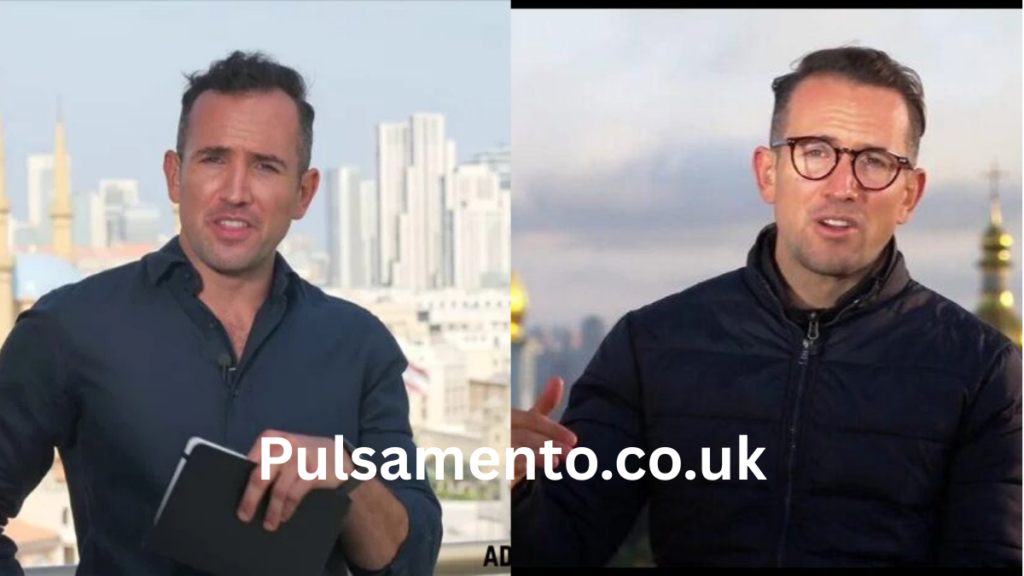

Introduction to Hugo Bachega and His Accent
Hugo Bachega is a distinguished journalist and broadcaster known for his engaging storytelling and insightful reporting. Born and raised in Brazil, Bachega’s journey into the world of media has been marked by his unique ability to connect with audiences from diverse backgrounds. His distinctive accent, often highlighted in his broadcasts, has become a significant part of his professional persona, contributing to his widespread recognition in the field of journalism.
The charm of Bachega’s accent lies not only in its phonetic qualities but also in its cultural connotations. Accents play a powerful role in shaping identity, influencing how individuals are perceived in professional contexts. In the case of Hugo Bachega, his accent is often seen as a reflection of his heritage, embodying the rich linguistic tapestry of Brazil. This accent acts as a bridge between cultures, offering audiences a glimpse into his background while fostering a sense of relatability and authenticity. It is no surprise that many viewers find his accent intriguing, as it encapsulates a story that transcends geographical boundaries.
Furthermore, the fascination with Hugo Bachega’s accent extends beyond mere auditory appeal. It is a testament to the vital relationship between language and culture, as accents often encapsulate the nuances of personal identity and public perception. When audiences hear Bachega speak, they do not simply listen to a voice; they engage with a narrative woven from the threads of his life experiences. This has sparked discussions about how accents can impact communication styles, interpersonal connections, and even career trajectories. As we delve deeper into the intricacies of the Hugo Bachega accent, we will explore its charm and its implications for understanding language in a globalized world.
The Linguistic Features of the Hugo Bachega Accent
The Hugo Bachega accent possesses distinctive linguistic characteristics that set it apart from other accents in the Portuguese-speaking world. Central to this accent are specific phonetic features, including unique vowel and consonant pronunciations that contribute to its auditory identity. For instance, speakers often exhibit a notable tendency to diphthongize certain vowel sounds, resulting in a melodic quality that reflects regional influences.
Consonant pronunciation within the Hugo Bachega accent also showcases some idiosyncrasies. In several instances, speakers may produce softer ‘s’ sounds, particularly when they appear between vowels. This phenomenon often leads to a more fluid speech rhythm compared to the sharper consonant enunciation found in other variations of Portuguese, such as the Lisbon accent, where consonants typically are articulated more crisply.
Moreover, the intonation patterns of the Hugo Bachega accent are integral to its uniqueness. A characteristic rising pitch at the end of statements can be observed, coupled with a dynamic stress pattern that gives a distinct cadence to spoken language. Such intonation features might be reflective of the musical heritage prevalent within Bachega’s cultural environment, further enriching the auditory experience for listeners.
When comparing the Hugo Bachega accent to nearby regional accents, the differences become even more pronounced. For example, while adjacent regions may employ a more monotonic delivery, the Bachega accent often variates intonation markedly, adding emotional depth and expressiveness to conversations.
In essence, understanding these linguistic features provides a foundation for appreciating the complexity of the Hugo Bachega accent, inviting further exploration of its roots and implications in communication.
The Impact of the Hugo Bachega Accent on Media and Communication
The Hugo Bachega accent serves as a distinct signature in the realm of media and communication, often shaping audience perceptions in significant ways. Bachega, a prominent journalist for BBC News, has a unique phonetic style that is a blend of his Brazilian roots, British influences, and international exposure. Such a nuanced accent can engage viewers and listeners, as it reflects a rich cultural heritage that brings an added layer of authenticity to his reporting.
However, the presence of an accent in media can result in varied perceptions. For some audiences, the Hugo Bachega accent may evoke a sense of trust and relatability, creating an immediate connection with viewers who share similar backgrounds or values. On the other hand, there can be biases that arise, where certain audiences may interpret his accent as less authoritative or credible compared to native British or American accents. This highlights the intricacies and potential prejudices embedded within communication dynamics in journalism.
Case studies abound that illuminate these phenomena. For instance, during an international crisis, Bachega’s reporting received a notable response across social media platforms. Viewers praised his ability to articulate complex narratives with a unique voice, underscoring how the Hugo Bachega accent can enhance storytelling by drawing in an audience that appreciates diverse perspectives. Conversely, some critiques have emerged highlighting instances where his accent allegedly led to misinterpretations of his statements or contributed to skepticism amongst certain viewers.
In the context of journalism, it is imperative to recognize how an accent can serve as both an asset and a challenge. The Hugo Bachega accent, through its distinctiveness, plays a pivotal role in shaping the landscape of media communication, ultimately influencing perceptions of credibility and connection with audiences across the globe.
Conclusion and FAQs about the Hugo Bachega Accent
The exploration of the Hugo Bachega accent has shed light on not only the intricacies of speech but also the profound connections between language, culture, and identity. Understanding this accent enriches our appreciation of diverse linguistic expressions and helps foster communication. The accent exemplifies how regional variations can reflect cultural heritage, community identity, and interpersonal connection. Recognizing and valuing such accents is essential in our increasingly globalized world, as it allows for a deeper understanding of the individuals behind the words. Moreover, embracing the uniqueness of accents like Hugo Bachega’s cultivates inclusivity and respect for multicultural dialogues.
As we conclude our discussion on the Hugo Bachega accent, we aim to address some frequently asked questions to provide further clarity on this topic:
- What is the origin of the Hugo Bachega accent?
The Hugo Bachega accent is primarily associated with the Portuguese language, particularly variations influenced by Brazilian Portuguese, where it reflects both regional and personal linguistic traits. - How can accents influence communication?
Accents can significantly impact communication, as they carry cultural connotations and can affect perceptions of identity, trust, and relatability among speakers and listeners. - Is the Hugo Bachega accent considered formal or informal?
While accents can vary in formality, the Hugo Bachega accent has a fluid quality, being able to adapt to both casual and formal settings depending on social context. - What role does the Hugo Bachega accent play in cultural identity?
This accent serves as a crucial element of cultural identity, embodying a speaker’s roots and personal history, which enhances connections with their community and audience. - Can accents evolve over time?
Yes, accents can evolve due to various factors such as geographical movement, social influences, and exposure to different languages and dialects, reflecting the dynamic nature of language.
In summary, the Hugo Bachega accent represents a rich tapestry of linguistic diversity, inviting us to engage with the cultural narratives woven into language. As we appreciate such accents, we promote better communication and understanding in our multicultural society.