
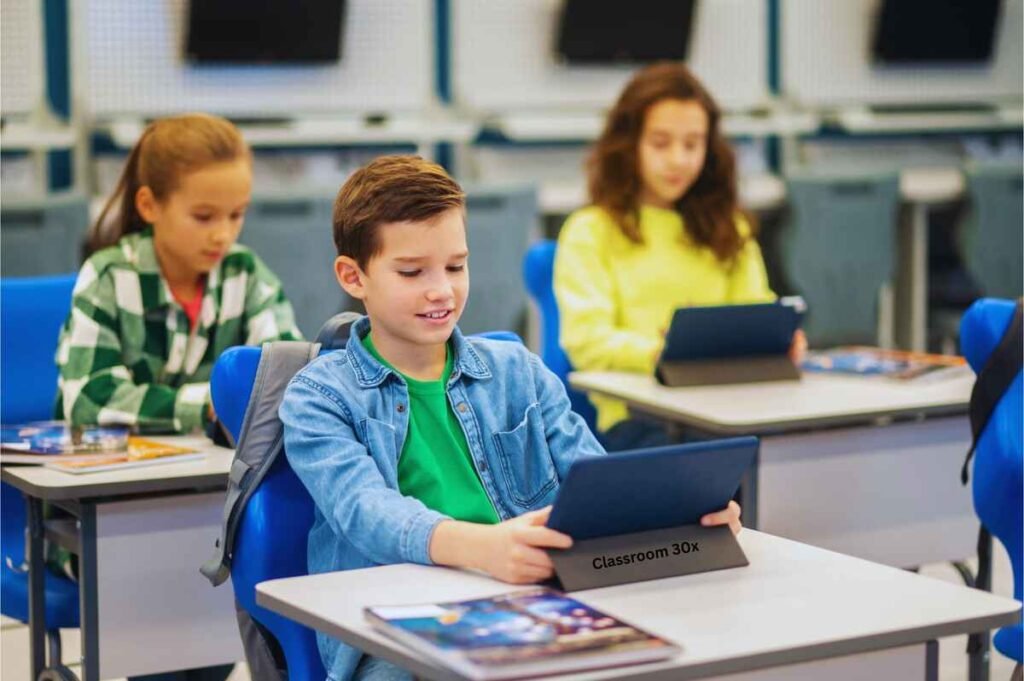

Understanding Classroom 30x: Definition and Importance
Classroom 30x is a contemporary educational model designed to optimize the learning experience within a classroom setting. It focuses on creating a dynamic environment where learners engage actively with the material, their peers, and educators. The concept of 30x refers not only to the number of students typically present in a modern classroom but signifies a shift in how education is approached, prioritizing both individual and collective learning. This model recognizes the diversity of learner needs and emphasizes tailored educational strategies that can cater to varying levels of understanding.
In the rapidly evolving landscape of education, the importance of Classroom 30x cannot be overstated. It equips educators with tools and techniques to facilitate more effective teaching, ultimately enhancing student learning outcomes. By fostering collaboration and engagement, the Classroom 30x model supports a more inclusive approach that accommodates different learning styles. This adaptability is vital in ensuring that all students, regardless of their backgrounds or abilities, can access quality education.
An essential aspect of Classroom 30x is the integration of technology and innovative teaching methodologies that complement traditional instruction. Educators are encouraged to leverage digital resources and interactive platforms that can transform conventional classrooms into vibrant learning hubs. This integration not only promotes deeper understanding but also prepares students for the demands of the 21st century, as they learn to navigate various tools and technologies that are relevant to their future careers.
Thus, Classroom 30x stands as a significant advancement in educational practices, highlighting the necessity for adaptability and innovation in teaching to meet the diverse needs of today’s learners. Embracing this model means committing to a holistic and inclusive educational experience that honors individual learning journeys while striving for collective achievement.
Implementing Classroom 30x: Techniques and Strategies
Effectively implementing Classroom 30x requires a thoughtful approach that prioritizes student engagement and learning outcomes. One of the primary techniques is collaborative learning, which promotes interaction among students to enhance their understanding of concepts. By working together on projects or problem-solving activities, students can share diverse perspectives, which enriches their learning experience. This method not only fosters a sense of community within the classroom but also encourages the development of critical interpersonal skills.
Another essential strategy is differentiated instruction. In a Classroom 30x environment, educators can meet the varied learning needs of students by tailoring their teaching styles and materials to accommodate different abilities and learning preferences. This could include offering diverse reading materials, utilizing multimedia resources, or varying the types of assessments. By recognizing and respecting individual differences, teachers create an inclusive learning atmosphere that maximizes the potential for all students to succeed.
Furthermore, integrating technology into the Classroom 30x framework can significantly enhance learning experiences. Utilizing various digital tools, such as interactive applications and online collaboration platforms, allows for a more dynamic and engaging classroom environment. Technology facilitates instant feedback, provides access to a wealth of resources, and encourages students to take ownership of their learning journeys. Moreover, by incorporating technology strategically, educators can develop essential 21st-century skills in students, preparing them for future challenges.
In conclusion, implementing Classroom 30x involves the careful application of collaborative learning, differentiated instruction, and technology integration. These strategies are adaptable to various teaching environments, ensuring that all students are actively engaged and supported in their educational pursuits.
Measuring Success in Classroom 30x: Tools and Metrics
In the realm of Classroom 30x, effectively measuring the success of educational initiatives is critical for ensuring optimal learning outcomes. Employing diverse tools and metrics allows educators to gain a comprehensive understanding of student performance and engagement levels. These metrics not only assist in evaluating academic achievements but also aid in fostering an environment that enhances overall learning experiences.
Assessment methods play a fundamental role in this process. Traditional assessments, such as tests and quizzes, can be supplemented with formative assessments, which provide real-time insights into student understanding. Various assessment tools, including digital platforms, can facilitate immediate feedback, allowing educators to identify areas of improvement promptly. Additionally, performance tracking systems can be implemented to monitor individual and group progress within the Classroom 30x framework.
Feedback systems are equally vital in evaluating success in Classroom 30x environments. Establishing channels for ongoing feedback encourages communication between students and teachers, fostering an inclusive atmosphere. Tools for peer evaluations and self-assessments can also empower students to take ownership of their learning journey, prompting reflection and personal growth. Incorporating technology, such as interactive surveys and learning management systems, can streamline the feedback process, ensuring that insights are gathered and analyzed efficiently.
Utilizing data analytics is essential for continuous improvement in Classroom 30x initiatives. Regularly collecting and analyzing data related to student engagement and performance enables educators to adapt their teaching methods to better fit the needs of their students. By leveraging data visualization tools and educational dashboards, educators can draw meaningful conclusions and make informed decisions about their strategies. Thus, as educators implement Classroom 30x, it becomes imperative to integrate appropriate tools and metrics to not only measure success but also enhance the learning environment systematically.
Future of Education: The Evolving Role of Classroom 30x
The educational landscape is undergoing a transformative shift, driven largely by advancements in technology and innovative teaching methodologies. Classroom 30x exemplifies this evolution, as it harnesses modern tools to enhance learning experiences. As educators anticipate the future, it becomes crucial to reflect on how Classroom 30x can adapt to meet the diverse needs of future learners, ensuring relevance and effectiveness in education.
One prominent trend is the personalization of learning experiences. Classroom 30x is designed to facilitate personalized learning paths, allowing educators to tailor instruction to individual student needs and learning styles. By leveraging data analytics and AI, the Classroom 30x model can provide real-time feedback and adaptive learning opportunities, enabling students to progress at their own pace. This shift toward customization will likely become more pronounced as educational institutions strive to meet the varied demands of a diverse student population.
Furthermore, the integration of technology in education will continue to expand. Future classrooms will likely emphasize a blended learning approach, combining traditional face-to-face instruction with online resources. Classroom 30x can seamlessly incorporate digital tools to cultivate collaborative and interactive learning environments. As virtual and augmented reality become more accessible, the Classroom 30x framework can further enhance experiential learning, immersing students in dynamic educational scenarios.
Ongoing research into cognitive science and learning psychology will also shape the future of Classroom 30x. Insights into how students learn best will drive the development of innovative teaching practices. Educators utilizing Classroom 30x will be better equipped to implement evidence-based strategies that foster engagement and retention, ensuring that the model remains effective in achieving educational objectives.
In conclusion, the future of education appears promising with the Classroom 30x framework at its core. By embracing technology, personalizing learning, and grounding practices in research, Classroom 30x can evolve to meet the challenges of a rapidly changing educational landscape, ultimately paving the way for improved learning outcomes for all students.