
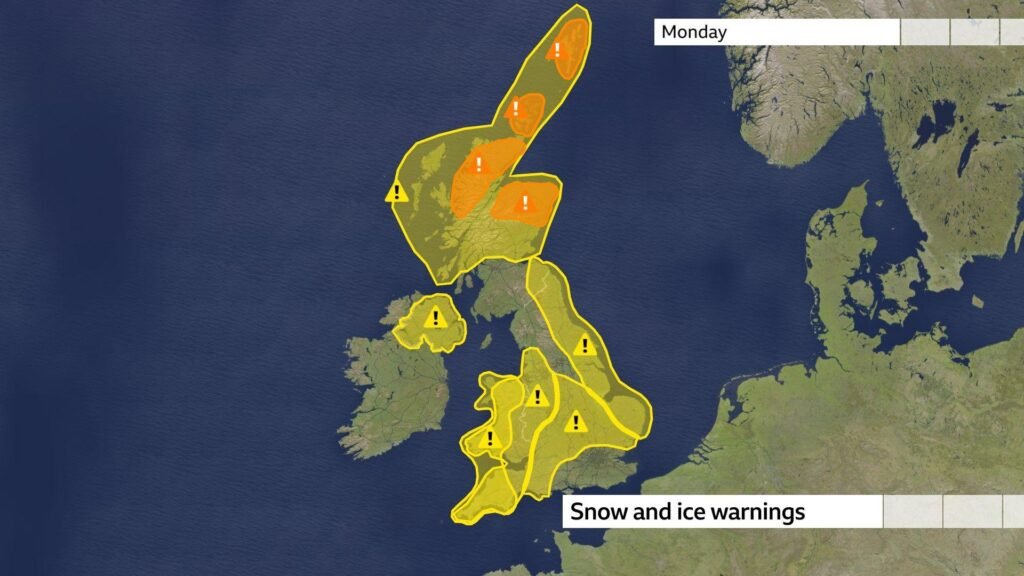

What is a Moderate Snow Ice Warning?
A moderate snow ice warning is an advisory issued by meteorological organizations when conditions are forecasted to result in significant accumulations of snow or the formation of ice. This warning is usually prompted by weather forecasts predicting a combination of snowfall and freezing temperatures, which can create hazardous road conditions. The specific criteria for issuing a moderate warning can vary by region, but generally includes expected snow accumulation ranging from a few inches to upwards of five inches, or significant ice from freezing rain or sleet.
In order to issue a moderate snow ice warning, meteorologists analyze various weather data inputs, including satellite imagery, atmospheric temperatures, and humidity levels. They use this information to predict how much snow or ice might accumulate over a specific period. The warnings are often categorized based on severity, with moderate warnings falling between lesser advisory levels and more severe alerts such as blizzards or ice storms. This classification helps the public understand the severity of forthcoming weather and gauge the necessary precautions.
Understanding the terms used in weather forecasting is essential. For example, a moderate snow ice warning differs from a winter storm warning, which typically indicates more extreme weather conditions, including higher accumulation levels and wind speeds that can lead to dangerous travel and life-threatening situations. It is important to remain vigilant during moderate snow ice warning periods, as conditions can quickly escalate and lead to increased risks on the roads and for outdoor activities. Individuals are advised to monitor their local weather reports and heed any advice or precautionary measures issued by authorities to ensure their safety.
The Impacts of a Moderate Snow Ice Warning
As winter advances, the occurrence of a moderate snow ice warning becomes more prevalent, highlighting significant impacts on various aspects of daily life. These warnings serve as an alert to the public about the potential for hazardous conditions due to accumulation of snow and ice on roads, sidewalks, and other public surfaces. One of the most immediate consequences is the disruption of transportation systems. Roads may become treacherous, leading to increased travel times, road closures, and a heightened risk of accidents. In many cases, public transit may also suffer delays and service interruptions, complicating the commuting routines for many individuals.
Safety risks are particularly pertinent during these conditions. The combination of falling snow and freezing temperatures can lead to slick surfaces, creating dangerous scenarios for both pedestrians and drivers. For motorists, it is crucial to exercise caution, as reduced visibility and impaired traction can lead to crashes. Statistics indicate that winter weather, including moderate snow and ice conditions, is responsible for thousands of accidents annually; thus, understanding these risks is vital for everyone navigating the winter landscape.
The impact of a moderate snow ice warning extends beyond immediate safety and transportation challenges. Local businesses often face reduced customer foot traffic during snowy conditions, which can affect sales and revenue. Services such as delivery and transportation may also see disruptions, leading to delays in supply chains and potential shortages of essential goods. Communities are encouraged to stay informed during these warnings and to take necessary precautions such as staying indoors when possible and ensuring that vehicles are prepared for adverse conditions. Awareness and preparation can significantly mitigate the risks associated with a moderate snow ice warning, thus fostering safer environments for all.
Safety Precautions to Take During a Moderate Snow Ice Warning
When a moderate snow ice warning is issued, it is crucial to take appropriate safety precautions to protect yourself and your property. One of the primary considerations is winter driving. If travel is not necessary, it is advisable to stay off the roads when conditions are hazardous. However, if you must drive, ensure your vehicle is equipped for winter conditions. This includes having snow tires, maintaining an adequate fuel level, and keeping an emergency kit that contains items such as blankets, water, and non-perishable snacks. Additionally, it is prudent to inform someone of your travel route and arrival time.
Preparing your home for cold weather is another important step during a moderate snow ice warning. Make sure your heating system is functioning efficiently, and consider insulating pipes to prevent freezing. Stocking up on essential supplies such as food, water, and medications can be beneficial in case of power outages or if you become snowed in. It is also wise to check that your smoke detectors and carbon monoxide detectors are operational, as these devices are crucial during winter emergencies.
Staying informed is vital when a moderate snow ice warning is in effect. Regularly monitor local news and weather services for updates on the storm’s progression and any additional safety advisories. Social media and weather apps can provide real-time information and notifications. By remaining vigilant and informed, individuals can better respond to changing conditions and take necessary actions to ensure their safety and well-being during inclement weather.
Frequently Asked Questions About Moderate Snow Ice Warnings
Moderate snow ice warnings are issued to inform the public about conditions that may pose risks due to winter weather. One common question is, “How long do these warnings last?” The duration of a moderate snow ice warning can vary significantly, generally lasting anywhere from several hours to a couple of days, depending on the intensity and movement of the weather system. Meteorologists analyze various factors, including temperature, precipitation rates, and wind patterns, to provide accurate time frames.
Another frequently asked question is, “What should I do if I have to travel?” It is crucial to assess the current weather conditions before embarking on any journeys during a moderate snow ice warning. If travel is unavoidable, ensure your vehicle is equipped with winter necessities, including snow tires, windshield washer fluid, and an emergency kit. Maintaining a safe distance from other vehicles and reducing speed can significantly reduce the risk of accidents caused by slippery roads and poor visibility.
A third important inquiry revolves around specific areas that may be more affected during these warnings. Typically, regions at higher elevations and those located near large bodies of water are more prone to severe weather conditions. Local topography can exacerbate snowfall and ice accumulation, making certain areas particularly hazardous. It is advisable to check local weather forecasts for information regarding potential hazards in your area.
During moderate snow ice warnings, staying informed is paramount. Reliable sources include the National Weather Service and local news outlets, which often provide timely updates on weather conditions and safety tips. Utilizing weather apps on mobile devices can also facilitate continuous monitoring of changing conditions, empowering individuals to make informed decisions during winter events.