

Introduction to Semana Santa 2025
Semana Santa, or Holy Week, is a momentous period in many Hispanic cultures, characterized by profound religious rituals, vibrant processions, and community gatherings that reverberate with a deep sense of faith and cultural heritage. Occurring in 2025, this significant event represents not only a time of spiritual reflection for Christians, but also an opportunity for communities to engage in age-old traditions that have been passed down through generations. Understanding the essence of Semana Santa 2025 entails delving into its rich tapestry of religious symbolism and communal involvement, making it a celebration that unites individuals in their shared beliefs.
The historical roots of Semana Santa trace back to the early Christian church, particularly as it commemorates the last days of Jesus Christ, including his crucifixion and subsequent resurrection. This annual observance emphasizes themes such as sacrifice, redemption, and hope, which resonate deeply within the hearts of believers. The celebration typically spans from Palm Sunday to Easter Sunday and includes a series of religious events, such as reenactments of the Passion of Christ, special masses, and communal prayers. Each ritual serves to reinforce the spiritual connection among participants and affirms their collective faith.
Semana Santa 2025 is marked by prominent customs that vary widely across regions while maintaining core elements of reverence and spirituality. From elaborately adorned Semana Santa processions in Seville to the serene reflections in smaller towns, the essence of the event remains consistent, celebrating the triumph of faith over adversity. These gatherings not only nurture individual beliefs but also foster a strong sense of community, as families and friends come together to participate in this sacred observance. The cultural significance of Semana Santa in 2025 lies not just in its historical roots but in its ability to revive and perpetuate a sense of belonging among attendees.
Key Dates and Events of Semana Santa 2025
Seman Santa 2025 marks a significant period in the liturgical calendar, filled with various traditions and events that honor the Passion of Christ. This year, Semana Santa begins on March 30th, Palm Sunday, which commemorates Jesus’ triumphant entry into Jerusalem. On this day, churches across the globe bless palm branches, symbolizing the reception of Jesus by the people.
As the week progresses, Holy Monday, observed on March 31st, often includes various local festivities and processions. Many communities take this opportunity to decorate churches and prepare for the upcoming solemn days. This day is crucial for setting the tone for the remaining celebrations of Semana Santa.
Tue sday, April 1st, known as Holy Tuesday, will witness further preparations, along with a heightened sense of anticipation within the communities and congregations. Many places observe various liturgical services that reflect on themes of repentance and reflection.
Wednesday, April 2nd, is often referred to as Holy Wednesday, where events may include the traditional “Spy Wednesday” to commemorate the betrayal of Judas Iscariot. Various processions are scheduled, allowing attendees to connect with the historical aspects of the week.
On Thursday, April 3rd, Maundy Thursday takes place, marking the Last Supper. This day features a significant liturgy, including the washing of feet in many congregations, representing humility and service.
Good Friday falls on April 4th and represents a day of mourning, commemorating the crucifixion of Jesus Christ. Various processions take place, often re-enacting the stages of the cross, creating a profound and reflective environment.
The culmination of Semana Santa occurs on Easter Sunday, April 6th, celebrating the resurrection of Jesus. This day is characterized by joyous festivity and community gatherings, marking the end of a week filled with solemnity and remembrance.
Traditional Rituals and Practices During Semana Santa 2025
The Semana Santa 2025, or Holy Week, is marked by numerous traditional rituals and practices that draw participants into deep cultural and religious experiences. This week, which commemorates the passion, death, and resurrection of Jesus Christ, showcases a variety of fascinating customs influenced by local traditions, religion, and history.
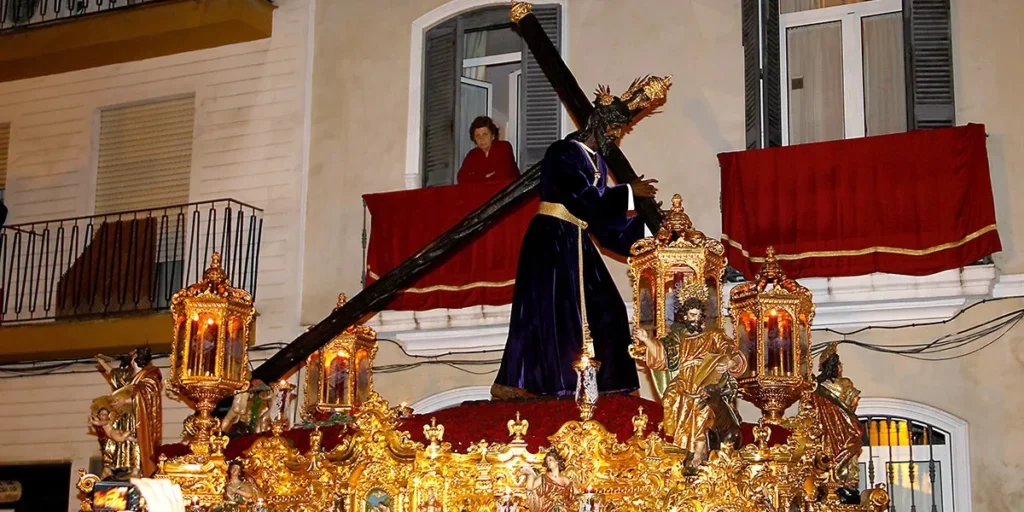
One of the most iconic aspects of Semana Santa is the processions that take place in many countries, particularly in Spain and Latin America. These processions often feature elaborate floats adorned with intricate religious iconography, transporting effigies of Christ or the Virgin Mary through the streets. Participants, dressed in traditional garb, often wear pointed hoods resembling those associated with penitential societies. Such processions are accompanied by somber music and the rhythmic pounding of drums, creating an atmosphere of reverence and reflection.
In several regions, reenactments of biblical events play a significant role during Semana Santa. For instance, in places like Guatemala, local communities often perform dramas that depict the final days of Jesus’s life. These reenactments serve not only as entertainment but also as a means of educating audiences about the historical and spiritual significance of the events they represent.
Another key element of the Semana Santa 2025 celebrations is the community involvement. Families and friends often gather to prepare traditional foods, such as ‘mona de pascua’ or special fish dishes, creating a sense of unity and shared experience. These culinary traditions vary widely across different regions, showcasing the rich tapestry of cultural practices that accompany the solemnity of the week.
As the festivities unfold each year during Semana Santa, the deep-rooted traditions and customs remind participants of the importance of faith, community, and cultural heritage. These rituals not only celebrate religious beliefs but also foster a sense of identity, connecting generations through a shared experience of reverence and observance.
Regional Celebrations of Semana Santa 2025
Semana Santa, or Holy Week, is a deeply significant celebration observed across various regions, each with its own distinct traditions and practices. In 2025, some of the most notable and culturally rich celebrations can be found in Seville, Spain, and Antigua Guatemala, where vibrant processions and rituals capture the essence of this holy week.
In Seville, Semana Santa is renowned for its grand processions that take place throughout the week. Thousands of penitents adorn traditional robes, carrying heavy pasos (religious floats) that depict scenes from the Passion of Christ. These processions serve not only as a religious observance but also as a spectacular display of local art and craftsmanship. The unique architecture of Seville, with its stunning baroque churches, provides a breathtaking backdrop for these solemn yet lively events. The week culminates with the emotional “La Madrugá” procession on Good Friday, drawing immense crowds and evoking a profound sense of community and devotion.
In contrast, the celebrations in Antigua Guatemala are characterized by their use of alfombras, or carpets, made from colorful sawdust and flowers. These intricate designs line the streets, creating a visual feast for attendees as processions traverse the city. The atmosphere in Antigua is markedly different; it blends indigenous and Spanish influences, resulting in unique customs and practices that are distinct from those in Seville. People gather to witness the procession of the “Cristo Negro” and participate in various activities that blend solemnity with joyous celebration, showcasing the city’s rich cultural heritage.
Moreover, other cities such as Malaga and Cuenca also offer unique perspectives on Semana Santa. Each location presents its distinct interpretations and regional customs, reflecting the diverse historical and cultural influences that shape the celebrations. From the elaborate floats in Malaga to the intimate gatherings in Cuenca, Semana Santa 2025 promises a rich tapestry of traditions that highlight the universal themes of faith, reflection, and community spirit across different cultures.
The Role of Faith and Reflection During Semana Santa 2025
Semana Santa, or Holy Week, is a deeply significant period for many Christian practitioners, serving as a time of intense spiritual reflection and communal observation. With Semana Santa 2025 approaching, devotees prepare to engage in rituals that commemorate the passion, crucifixion, and resurrection of Jesus Christ. This week is marked by various ceremonies and processions, where faith serves as the underlying foundation of the observed traditions.
During this sacred time, individuals often partake in acts of penance, reflecting on the teachings of Christ and their personal spiritual journeys. Many practitioners observe fasting or engage in prayer, seeking a deeper connection to their faith. This practice of self-examination encourages devotees to consider their relationships with others and their responsibilities as members of the community. It is not merely a time of sorrow but also one of redemption and hope, emphasizing the transformative nature of faith.
The communal aspect of Semana Santa 2025 is equally important. Many churches organize group prayers and communal services, fostering a sense of unity among participants. These gatherings serve as occasions for individuals to share their experiences and support one another in their spiritual quests. The atmosphere of reverence combined with the shared experience greatly enhances the significance of the observance, making the essence of faith palpable within the community.
Moreover, Semana Santa provides a poignant opportunity for believers to engage in acts of service, such as helping the less fortunate or participating in charitable initiatives. Such actions not only demonstrate faith in practice but also reinforce the core Christian values of compassion and empathy. As the world anticipates the arrival of Semana Santa 2025, the focus on faith, reflection, and community engagement continues to exemplify the enduring significance of this pivotal time in the Christian calendar.
Culinary Delights of Semana Santa 2025
Semana Santa, or Holy Week, is not only a time for religious observance but also a period rich in culinary tradition. During Semana Santa 2025, many cultures across the globe will celebrate with dishes that reflect their unique heritage and customs. One of the central themes during this week is the preparation of special meals that are often shared with family and friends, enhancing the communal experience inherent to the celebrations.
In Spain, for instance, dishes like bacalao (salted cod) take center stage, as it is a traditional meal during Lent when many abstain from meat. Often prepared in various styles such as baccalau a la vizcaína or baccalau al pil-pil, these recipes can differ from region to region, showcasing local flavors and ingredients. Additionally, torrijas, a type of Spanish French toast, is a beloved dessert that captures the sweet essence of the week. Different regions might incorporate unique spices or add local fruits to these recipes, offering a delightful variation.
In Latin America, similar variations exist. For instance, in Mexico, capirotada—a bread pudding with layers of cinnamon, sugar, and raisins—serves as a symbolic dish representing the Passion of Christ. Meanwhile, in Colombia, fritanga or various fish dishes can be commonly found during the Semana Santa 2025 celebrations. Each region’s culinary contributions not only satisfy the palate but also carry deep cultural significance, connecting individuals with their historical roots.
Moreover, beverages like mazamorra in Colombia or horchata in Mexico complement these meals, showcasing traditional flavors typical of Semana Santa festivities. Such drinks enhance the overall dining experience and reflect the importance of communal gatherings during this holy time.
The variety of foods prepared during Semana Santa highlights the rich tapestry of cultural practices associated with this season. As we look forward to Semana Santa 2025, traditions evolve, but the essence of celebrating through food remains a cherished aspect of this significant period.
Travel Tips for Experiencing Semana Santa 2025
As travelers prepare to witness the captivating Semana Santa 2025, careful planning is essential to enhance the experience. This annual religious event is deeply rooted in tradition, attracting visitors to various locations around the globe. To immerse oneself fully in the festivities, it is advisable to select the right venues, particularly in countries such as Spain, Mexico, and Guatemala, where Semana Santa celebrations are renowned for their grandeur and authenticity.
When considering destinations, Seville stands out as an iconic site, featuring spectacular processions and lively crowds. In addition, Antigua, Guatemala, offers a unique atmosphere with traditional alfombras (carpets) made of colored sawdust lining the streets. Researching local customs and specific events in these cities can significantly enhance the travel experience during Semana Santa 2025.
Travelers should prepare for large crowds and the emotional intensity of the processions. Expectations should be set for late-night activities, as many events occur in the evening. It’s wise to arrive early to secure good viewing spots, especially in popular areas. In terms of accommodations, booking well in advance is crucial, as hotels can fill up quickly during this peak season. Options range from budget hostels to luxurious hotels, but the proximity to the main events should be a key consideration.
Furthermore, embracing local etiquette can enrich the experience. Dress modestly when attending religious ceremonies and be respectful of the solemn atmosphere surrounding the events. Engaging with local vendors not only supports the community but also allows travelers to savor traditional foods that are often part of the Semana Santa celebrations.
In conclusion, the Semana Santa 2025 festivities offer a profound cultural experience. By choosing the right locations, anticipating the excitement and respecting local customs, travelers can create memorable moments that resonate with the rich traditions of this significant celebration.
Interpreting the Art and Music of Semana Santa 2025
Semana Santa, or Holy Week, is a time when communities come together to express their faith through captivating art and evocative music. As we approach Semana Santa 2025, it is essential to explore how these artistic elements play a critical role in conveying cultural heritage and emotional depth during the celebrations.
The visual arts of Semana Santa 2025 are particularly striking, showcasing a rich tradition of craftsmanship. Elaborate processions feature majestic floats adorned with intricate sculptures depicting religious figures, such as Christ and the Virgin Mary. These sculptures, often handcrafted by skilled artisans, embody centuries of religious devotion and cultural history. The craftsmanship speaks not only to the artists’ dedication but also to the community’s collective faith. Each float tells a story, reflecting themes of sacrifice, redemption, and resurrection, vividly illustrating the profound narrative of the Holy Week.
Additionally, the thematic elements of traditional music played during Semana Santa have a significant role in enriching the spiritual atmosphere of the celebrations. Sounds of solemn hymns and marches resonate through the streets, enhancing the emotional experience for both participants and spectators. The music, often composed centuries ago, has been passed down through generations, creating a powerful connection between the past and present. These compositions capture the essence of the season, conveying themes of mourning and hope through poignant melodies and harmonies.
As Semana Santa 2025 approaches, the interplay of art and music continues to deepen its significance within communities, fostering a sense of unity and shared tradition. The dedication of artists, musicians, and the community at large reflects a vibrant cultural heritage that is both a celebration of faith and an expression of identity.
Conclusion and Future of Semana Santa Celebrations
As we delve into the significance of Semana Santa 2025, it becomes apparent that this vibrant tradition encapsulates the deep-rooted cultural identity and spiritual values of communities across various regions. Celebrated with fervor, Semana Santa not only commemorates the passion, death, and resurrection of Jesus Christ but also fosters a sense of belonging and shared history among participants. The processions, rituals, and representational art serve as reflections of local heritage, bringing together individuals from diverse backgrounds in reverence and unity.
Looking towards the future, it is essential to recognize how Semana Santa celebrations are likely to adapt in response to modern influences. Technological advancements, social media engagement, and the increasing globalization of culture stand poised to impact the ways people interact with these time-honored customs. For instance, virtual participation in processions or live-streamed events may offer opportunities for those unable to attend in person, allowing distant communities to partake in the significance of Semana Santa 2025.
Moreover, the infusion of contemporary artistic expressions and narratives may introduce fresh perspectives while retaining the core essence of this sacred observance. By embracing innovation, Semana Santa can continue to resonate with younger generations, ensuring that the cultural and spiritual dimensions remain robust. It is the delicate balance between honoring tradition and welcoming change that will foster the longevity of these celebrations, allowing them to thrive amid evolving societal paradigms.
In summary, Semana Santa 2025 stands as a testament to cultural resilience and the enduring human spirit. While the influences of modernization present both challenges and opportunities, the fundamental values of faith, community, and heritage will remain at the heart of this cherished tradition. Through careful stewardship of practices and imaginative adaptations, Semana Santa celebrations can flourish well into the future, continuing to inspire collective reflections on spirituality and identity.