
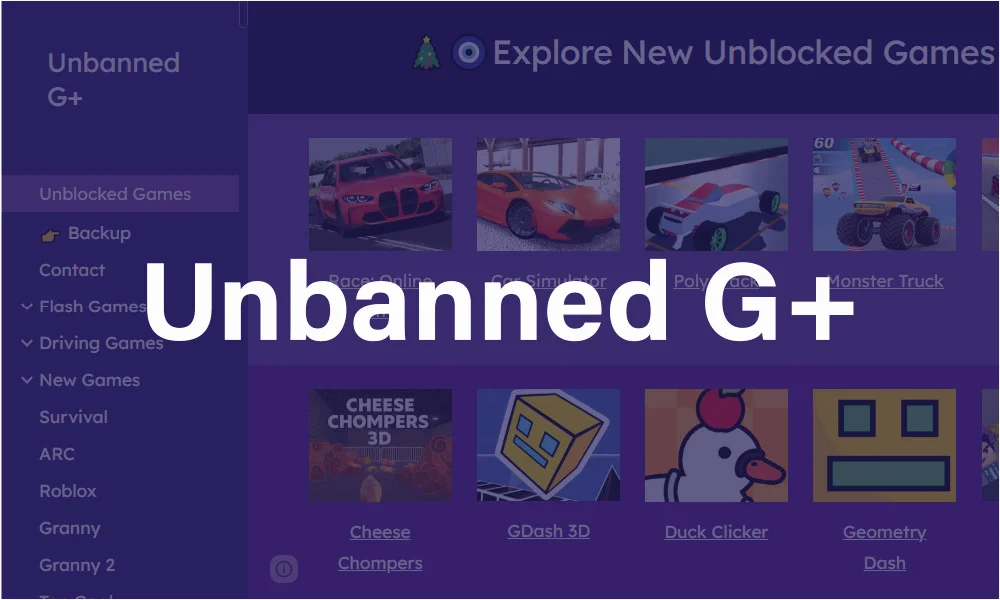

Introduction to Unbanned G
The term ‘unbanned g’ has gradually permeated discussions surrounding digital culture and the regulation of online content. As digital platforms become increasingly integral to daily life, the frameworks surrounding their regulation have simultaneously evolved, often leading to the banning or censorship of certain forms of content. The emergence of the concept of unbanned g signifies a movement advocating for the restoration and freedom of expression of content that has previously faced restrictions. This term notably represents a blend of regulatory scrutiny and cultural resilience.
Addressing its origin, unbanned g can be traced back to various communities that have persistently challenged censorship and advocated for open discourse across online platforms. Motivated by the belief that information shouldn’t be arbitrarily restricted, these advocates have pushed for transparency in the criteria that lead to bans or censorship. Their efforts have sparked broader conversations about the ethics of regulation, digital rights, and the imperative of protecting free speech.
In the current landscape, unbanned g has gained prominence due to several high-profile cases of content removal, prompting an increased awareness surrounding digital freedom. As society navigates the balance between protecting users and allowing for unrestricted expression, unbanned g continues to be a focal point of debate. It also fits within a greater trend towards content democratization, where users desire more agency over their digital experiences. This ongoing discourse on unbanned g echoes greater societal shifts toward advocating for freedom of expression in online environments.
The Evolution of Unbanned G and Its Context
The term ‘unbanned g’ represents a significant turning point in the regulatory landscape surrounding various substances and practices throughout history. Initially, such entities were placed under strict bans due to concerns about their safety, ethical implications, and societal impact. For example, the concise regulations that prohibited unbanned g arose from a mixture of public health fears and moral debates, leading to a widespread stigma that overshadowed its existence.
As time progressed, advancements in research and a better understanding of the implications surrounding unbanned g provided new insights. These shifts in perception were largely influenced by scientific studies which highlighted potential benefits alongside previously unrecognized risks. Advocates for unbanned g argued that it could serve various beneficial purposes, urging the need for re-evaluation of existing bans based on empirical data rather than fear-based assumptions.
The movement towards unbanning was further bolstered by a coalition of stakeholders, including researchers, policymakers, and community leaders, each bringing unique motivations to the discussion. Proponents sought not only to revive interest but also to foster a controlled environment where the positive attributes of unbanned g could be safely explored and utilized. Their efforts encompassed lobbying for legislative changes, engaging in public education campaigns, and conducting public forums to address lingering misconceptions.
Importantly, the unbanned g narrative is a reflection of a broader societal trend towards decriminalization and acceptance of previously banned substances and practices. This evolution emphasizes a growing willingness to adapt regulations based on informed discussions rather than outdated fears. Understanding the evolution of unbanned g highlights the dynamic nature of societal norms and regulatory frameworks, paving the way for future developments in this area.
Implications of Unbanned G in Digital Spaces
The emergence of unbanned g within digital spaces has generated a complex array of implications for various platforms, communities, and industries. The most notable effect is the alteration in user behavior. As platforms have started to adopt unbanned g, users are emboldened to engage more freely with content, often leading to increased creativity and innovation in digital communication. This newfound freedom has allowed for diverse expressions of opinions, bridging gaps in previously moderated conversations.
However, the proliferation of unbanned g also surfaces concerns related to content moderation and the dissemination of misinformation. Platforms that embrace unbanned g may struggle with the challenge of maintaining a balance between free expression and the necessity to regulate harmful or misleading content. For instance, during recent events surrounding the unbanned g movement, various social media channels experienced an influx of contentious discussions, demonstrating how user engagement can escalate into chaotic exchanges. This has led to calls from some community members for stricter guidelines to manage the potential negative ramifications.
Moreover, the digital content creation landscape has witnessed substantial shifts due to the rise of unbanned g. Content creators are leveraging this freedom to explore unconventional formats and topics, which significantly enhances audience interaction. Brands and marketers have also had to adapt their strategies accordingly, recognizing the influence of unbanned g on consumer behavior. In some cases, companies have benefitted from aligning their messaging with this movement, tapping into a more engaged audience.
In summary, the implications of unbanned g are multifaceted, affecting user behavior, content creation, and regulatory approaches across digital platforms. As the landscape continues to evolve, communities and industries must navigate the challenges and opportunities it presents to optimize their digital environments.
Future Prospects for Unbanned G
The unbanned g has paved the way for exciting possibilities across various sectors, spurred largely by evolving legislation and shifting public perception. As communities rally for change and increased accessibility, it is anticipated that we will see a greater emphasis on inclusivity and open access within digital spaces. Future developments may generate an enriched atmosphere for creators to flourish, resulting in a diverse array of content that resonates with a wider audience.
In terms of legislation, there is a likelihood that governments will enact policies aimed at promoting a more open digital environment focused on unbanned g. This could manifest in the relaxation of restrictive regulations that previously hindered creativity and expression. Additionally, countries may begin to adopt more unified guidelines, encouraging international collaboration within the context of unbanned g. This shift may also drive educational institutions to update curricula, incorporating discussions on unbanned g and its implications for future generations.
Community engagement is poised to increase significantly as digital natives take the reins of cultural discourse. Stakeholders are expected to create dedicated forums and platforms for dialogue centered around unbanned g, fostering collaboration between creators, audiences, and policymakers. Social media’s role will undoubtedly prove critical in this landscape, allowing for campaigns that advocate for transparency and equip users with the knowledge needed to navigate the ever-evolving digital realms.
As we look forward, the concept of unbanned g may evolve beyond its current interpretation. Emerging trends such as decentralized platforms could give rise to new ways of expression, allowing individuals to connect in ways previously unimagined. Thus, the future trajectory of unbanned g will be shaped by collective action, technological advancements, and an unwavering commitment to creativity and freedom of expression.